Four months of espresso
It's been four months since I purchased the ECM Puristika. I've already discussed the reasons behind my purchase. Without denying what was said at the time, a more realistic evaluation of my experience is in order.
Machine Quality
Before continuing on the subject of experience, I'd like to talk about the Puristika. A friend recently asked me if I regretted my purchase. I hesitated somewhat before finally declaring that no, I didn't—with a hint of yes as an aftertaste.
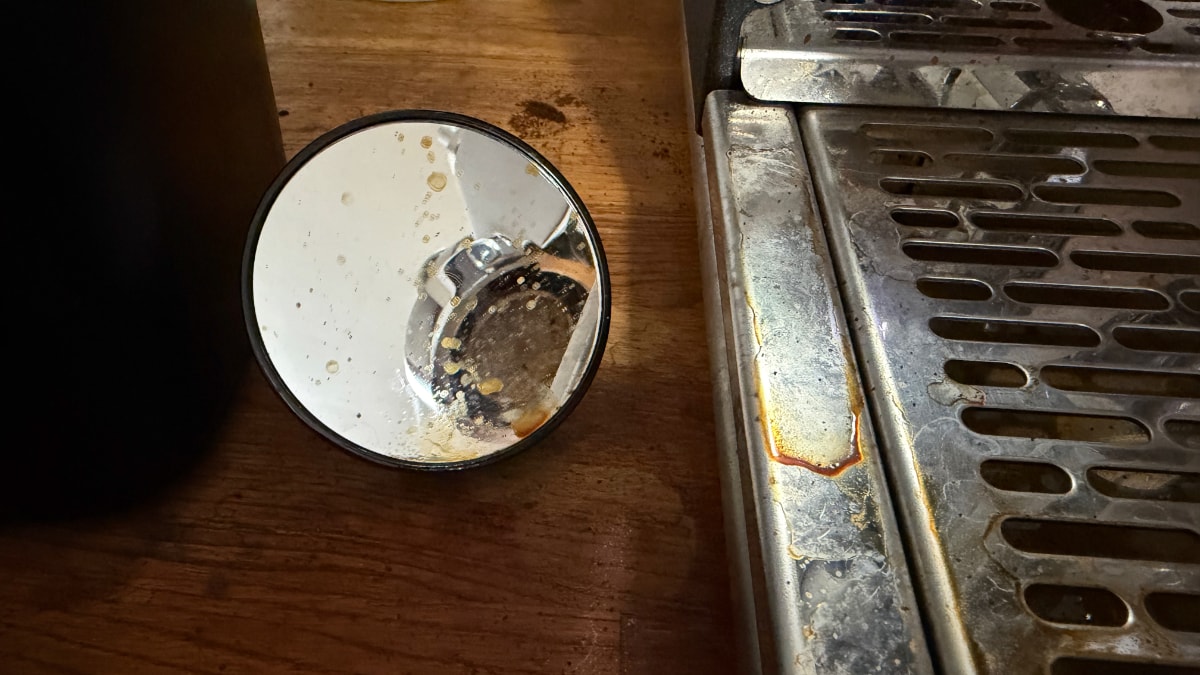
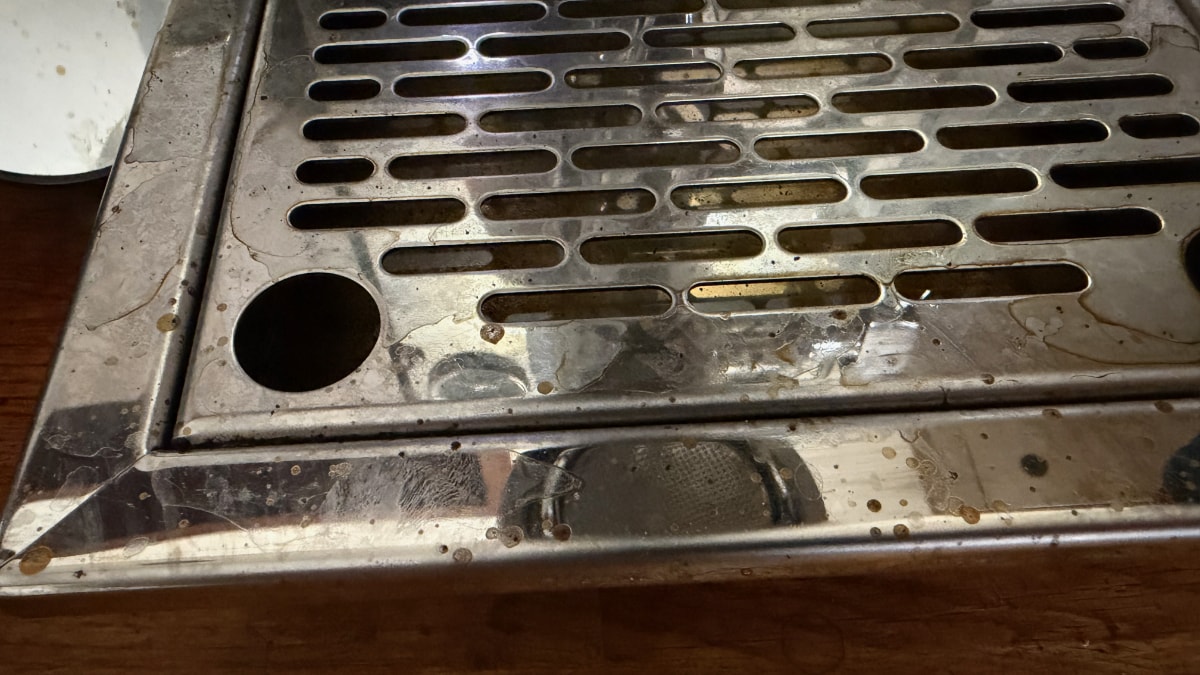
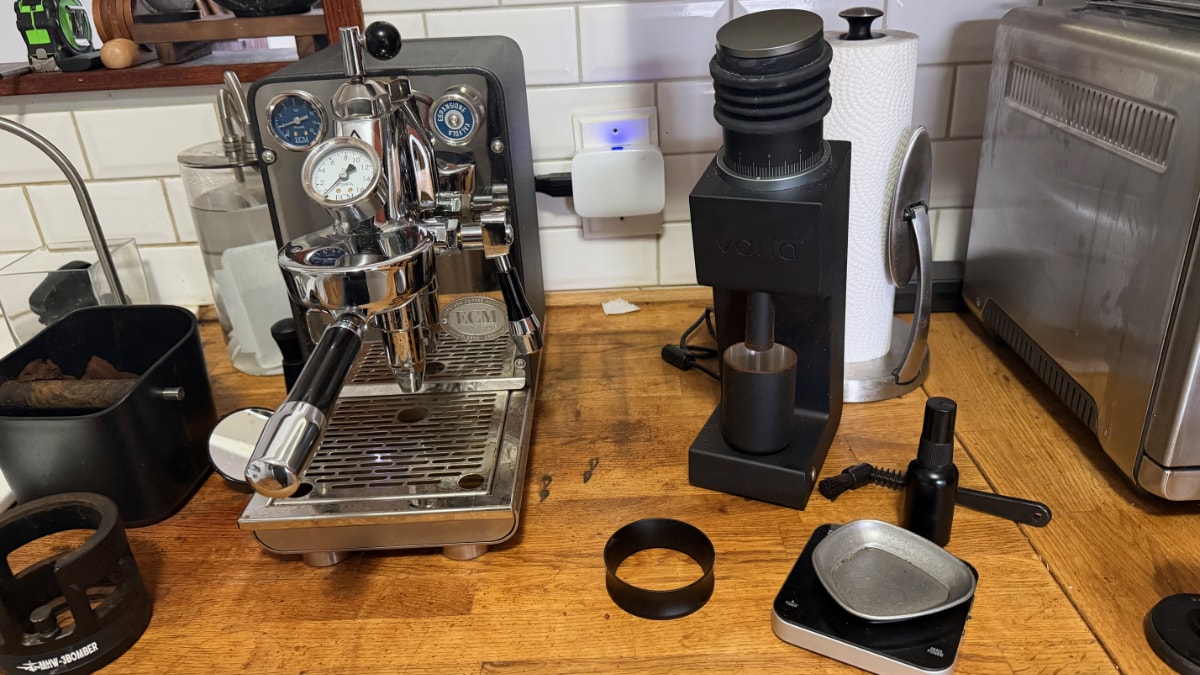
Honestly, I was disappointed by a few manufacturing and design flaws. First of all, what passes for a major advantage—namely, its slim dimensions—can also be seen as a flaw when you consider that a machine of this type equipped with an E61 group head causes a rather dramatic release of pressure and water when you stop the coffee flow. While it's mostly contained within the drip tray, water still splashes onto the sides, spraying everything nearby. Nothing serious, but you end up cleaning often, since the water carries residual oils from the coffee extraction. After a day of use, it's dirty. I deliberately left the machine in its current state before taking my photos.
In short, a wider machine has, by definition, a larger drip tray.
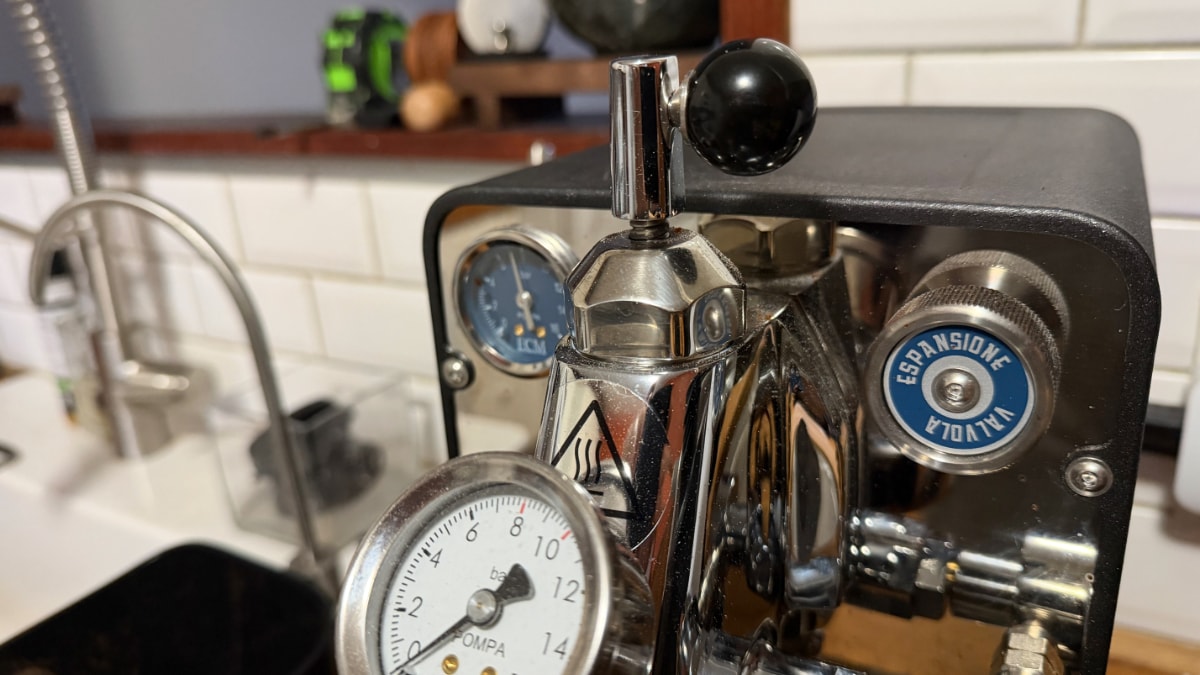
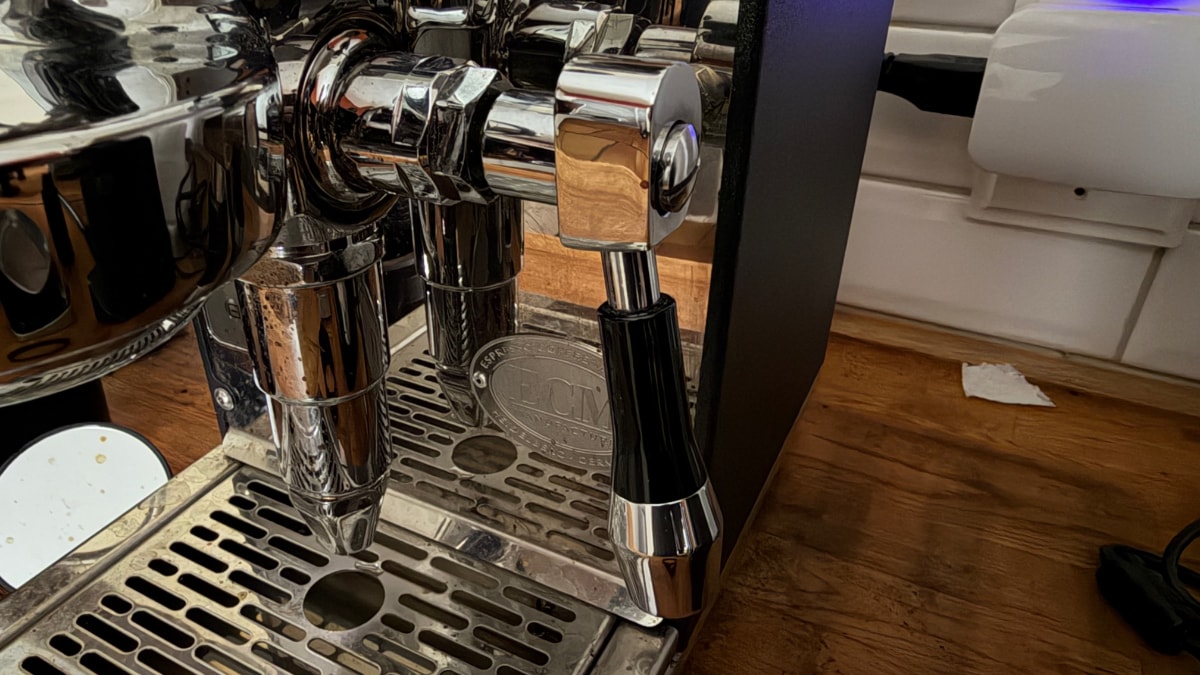
However, the machine's main flaw lies in its lever that initiates extraction. While it's easy to lift, it's much harder to close, and it squeaks tremendously. This is an inherent flaw in this type of machine, as evidenced by the large number of videos on the subject. Wear is certainly normal, particularly due to the necessary backflushes that must be done with a specialized product. The lubricant applied to the various rather rudimentary parts of the machine is affected by this. This flaw was present from the beginning; I wondered if my machine was secondhand.
Since then, I've purchased the necessary grease to fix the problem, but I haven't yet brought myself to use a wrench to disassemble the mechanism and apply the healing ointment. This doesn't seem normal to me for a new product…
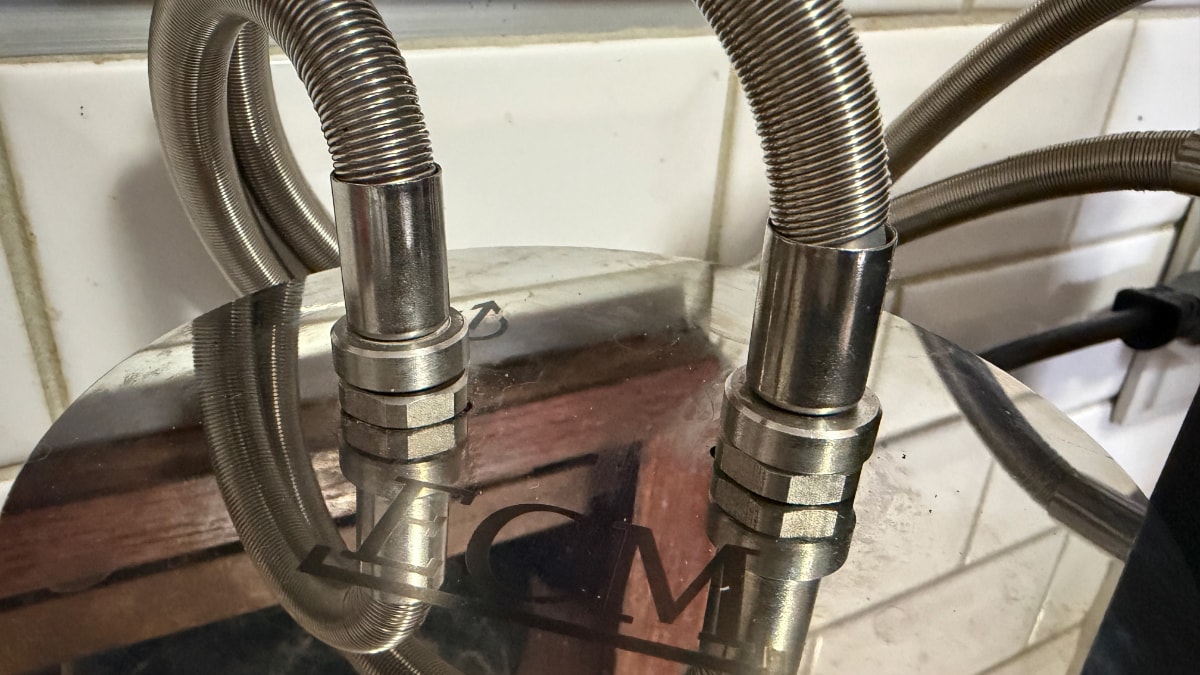
The second disappointment is the quality of the tube connecting the reservoir to the machine. A minor detail, certainly, but when you buy a machine at this price, you're surprised to see that the coiled tube isn't properly secured. I've never been able to fix this. Nothing too serious, of course. Just another one of those little details that are annoying.
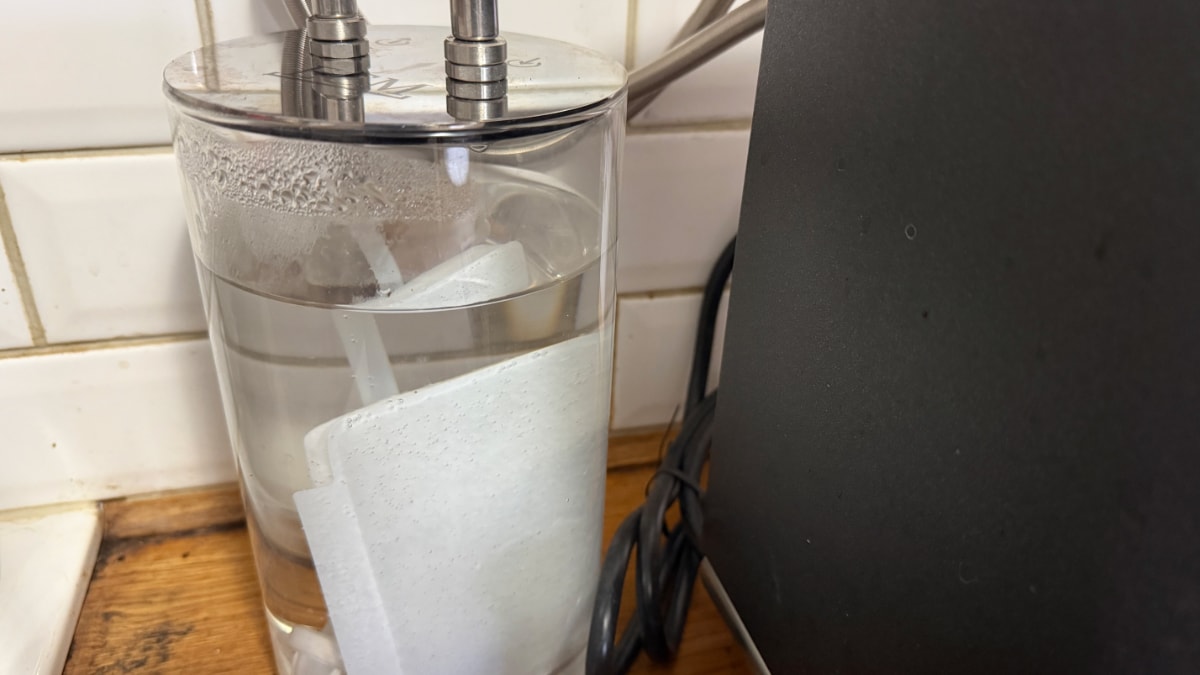
Finally, this type of machine requires water that's as free of limescale as possible. So I got a filter that sits in the reservoir. Since the reservoir is glass, well, you can see it. So much for the "pure" aesthetic of the Puristika. Supposed to last 100 litres or two months, the filter only lasts one month in my case (the filter starts floating when it's saturated). Yet my water isn't that hard according to the tests I've done… There are water softeners you can install under the sink… I tell myself that at $35 per filter, it's probably worth it. And yes, you can hear it again—the wallet emptying…
The Ritual
Making espresso with this kind of machine is a true ritual; you really have to accept this. If you're drowsy in the morning, abstain if you're not fully operational.
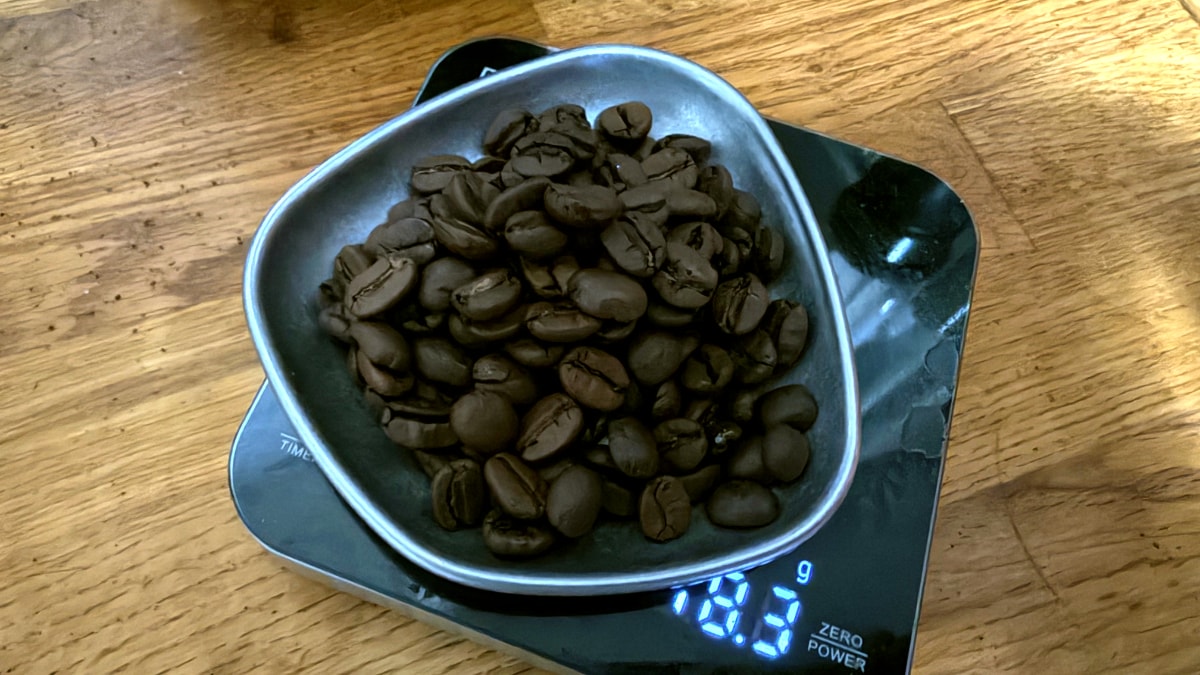
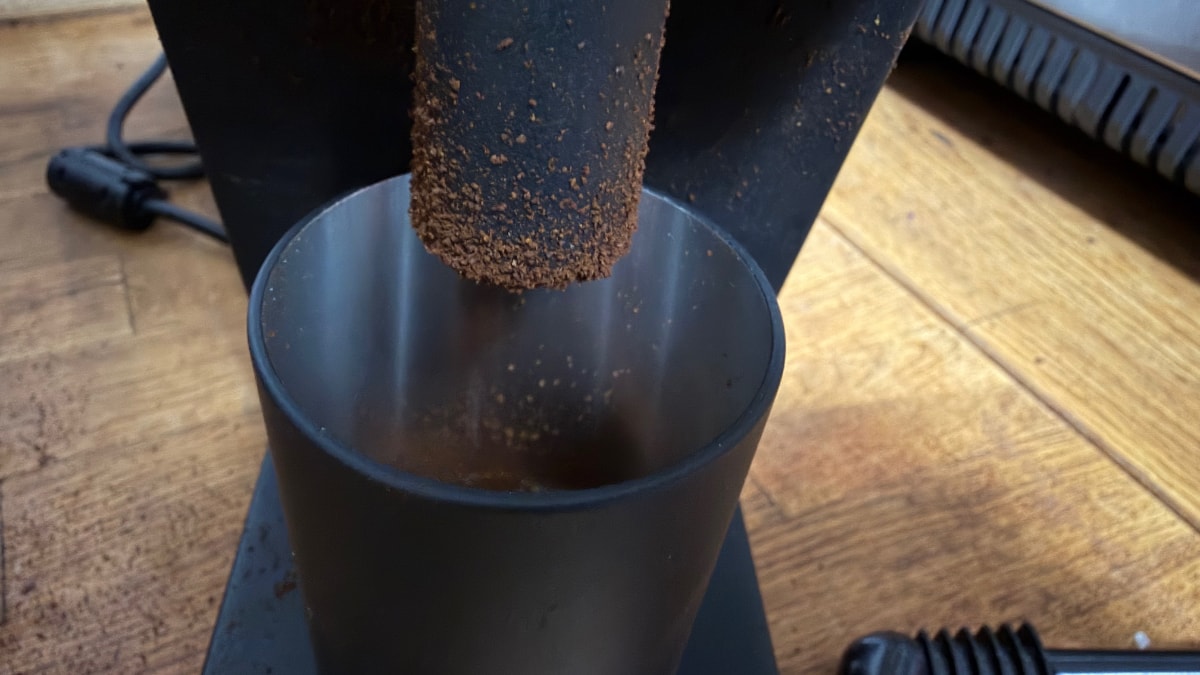
I own an entry-level grinder, well-regarded nonetheless: the Varia VS3. It's solidly built, single-dose type. You weigh the coffee, spritz it with water (since this grinder lacks an anti-static mechanism), and drop it into the grinder. Fifteen seconds later, you have your very well-ground coffee.
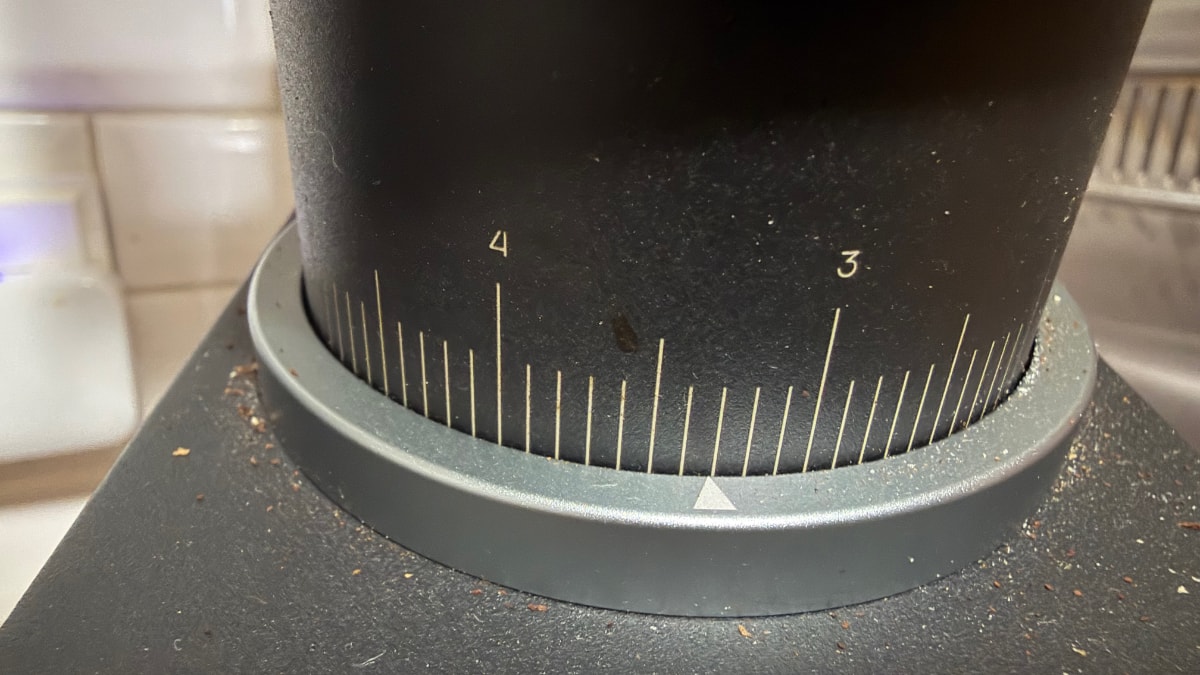
This is where the learning begins. The more you try different coffees, the more you'll need to calibrate the grind fineness. It happens that for a given coffee, you're satisfied with 18g of coffee ground at 2.5 on the device's scale, but for another blend, you might need to go up to 3.5, which is huge. In between, feel free to experiment… and consequently waste some coffee.
It's possible, indeed, that the final grind is too fine and your machine can't extract it (which causes over-extraction, the water staying too long in the coffee) or, conversely, that the grind is too coarse (so to speak) and the water flows like an untamed river, giving you an under-extracted coffee.
That said, with experience, you can calibrate in two tries and thus enjoy relative stability if the next bag of coffee is the same…
Speaking of blends, at first you buy lots of varieties, which helps you make a choice and also refine your palate. You might be tempted to explore everything sold at Café Public or Thirdwave, but you quickly realize the bill adds up!
The price of these bags correlates with the size (or smallness) of the micro-roaster. Once you've found your coffee preference, it's better to stick more or less to the same roaster to get larger, less expensive bags… I already have my favourite roasters, and they're not necessarily micro…
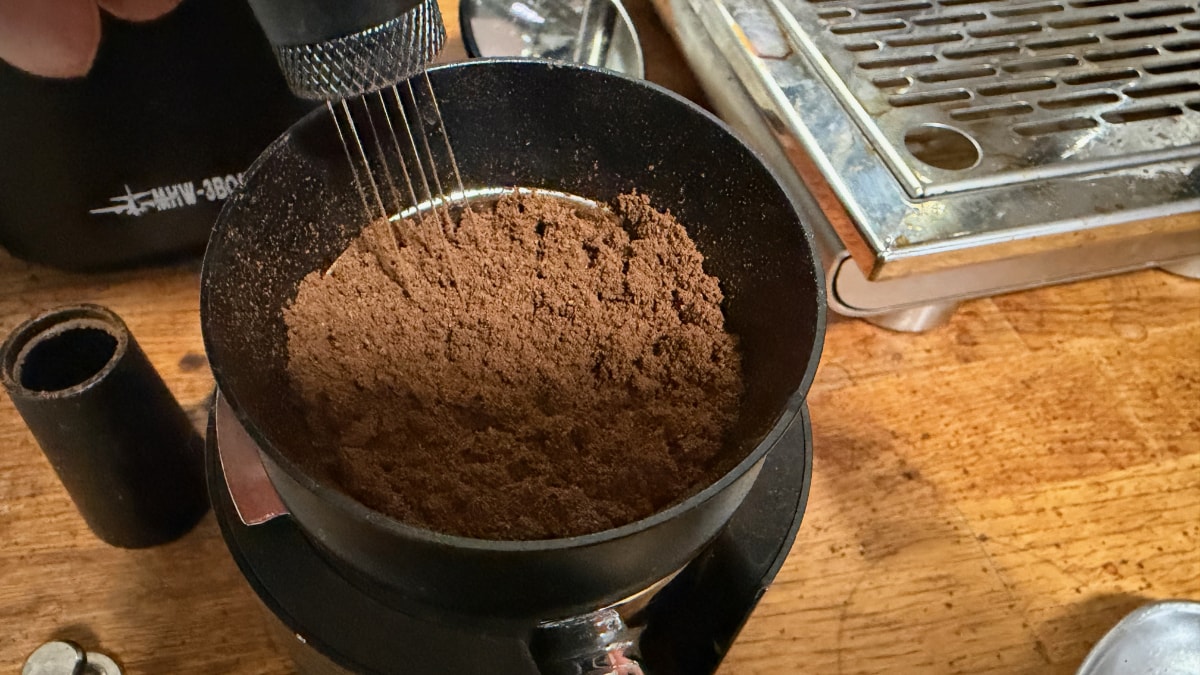
Once the coffee is ground, it's time to transfer it to the filter basket. It's best to use a small distribution tool (WDT method). There are gadgets for every budget, but exercise some restraint here. Simplicity tastes much better. A simple whisk that looks like an acupuncture tool will suffice. This method helps avoid "channels"—areas in the coffee that would allow water to bypass the grounds. By redistributing the coffee and breaking up the clumps, you reduce this possibility.
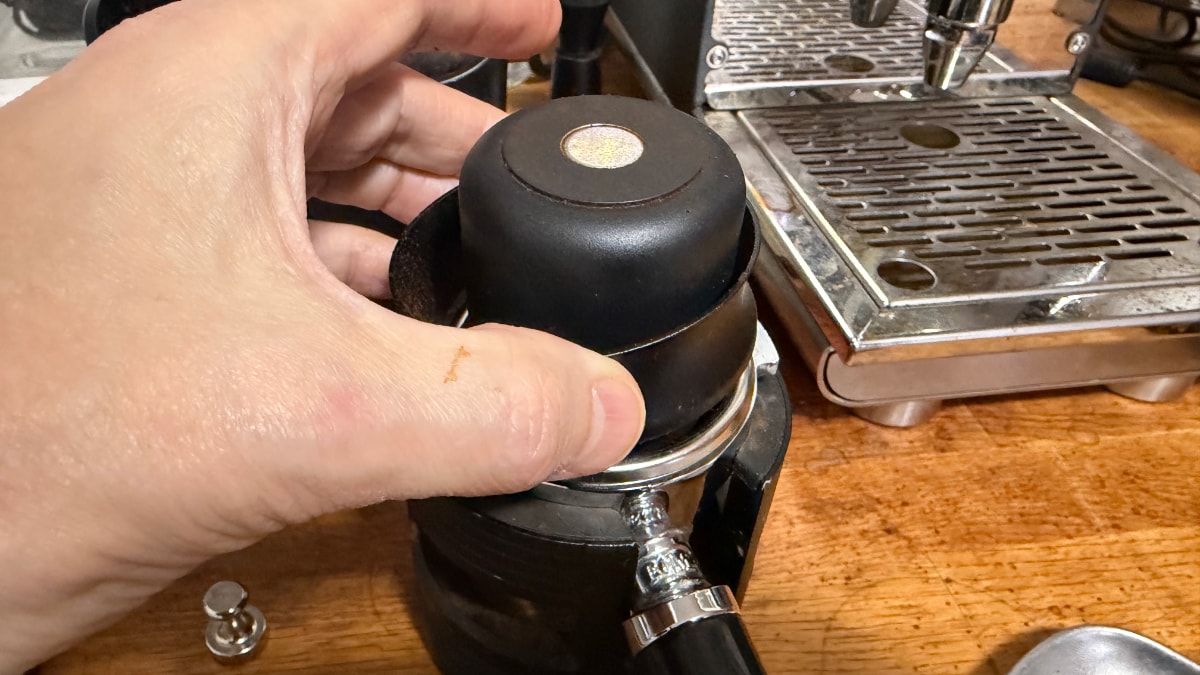
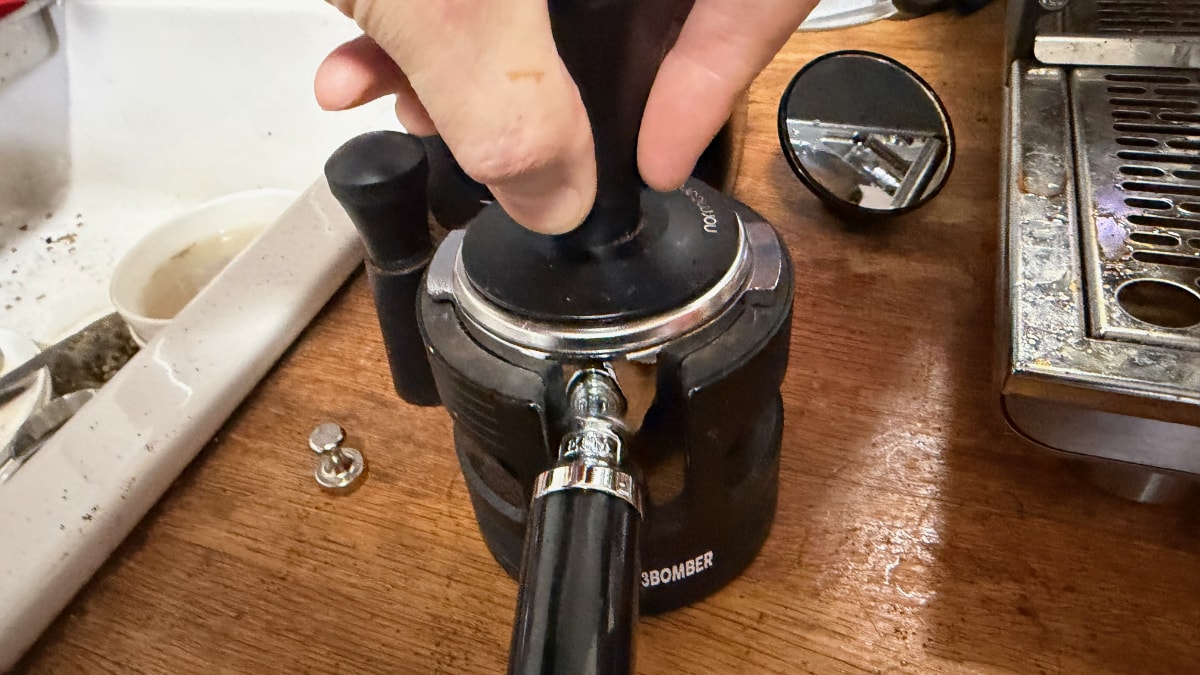
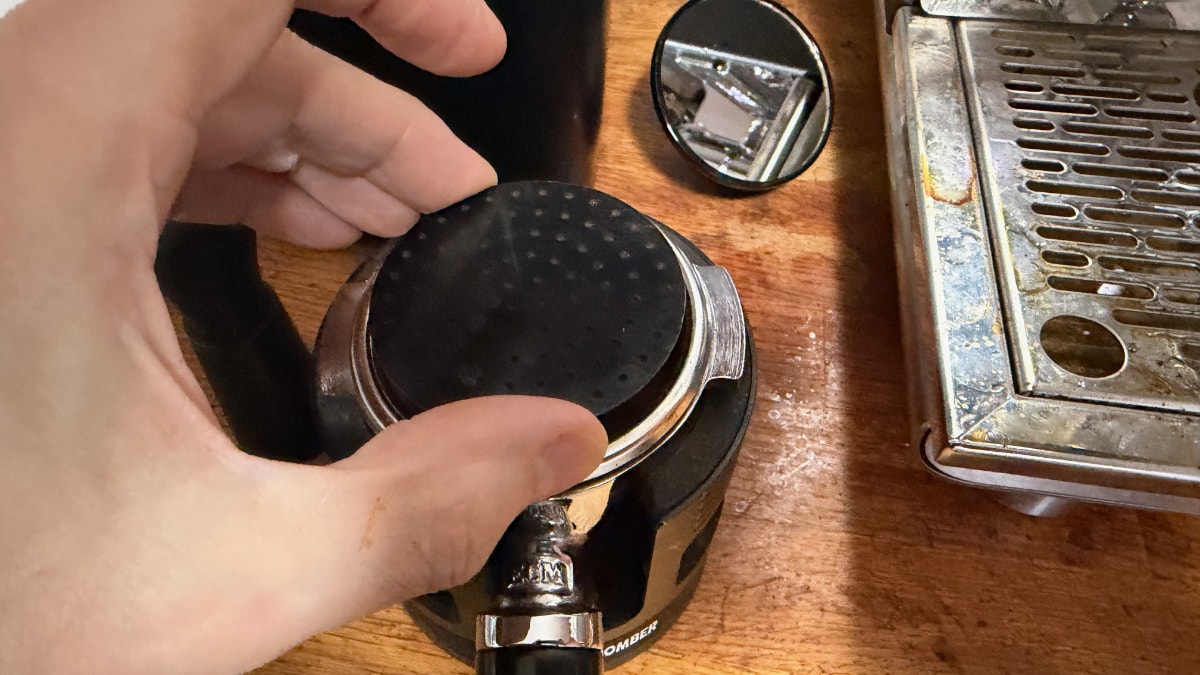
You then tamp the coffee with a tamper and add a small additional filter on top. This filter will force the water to distribute better through the coffee, increase extraction, but also protect the group head from getting gunked up faster than necessary.
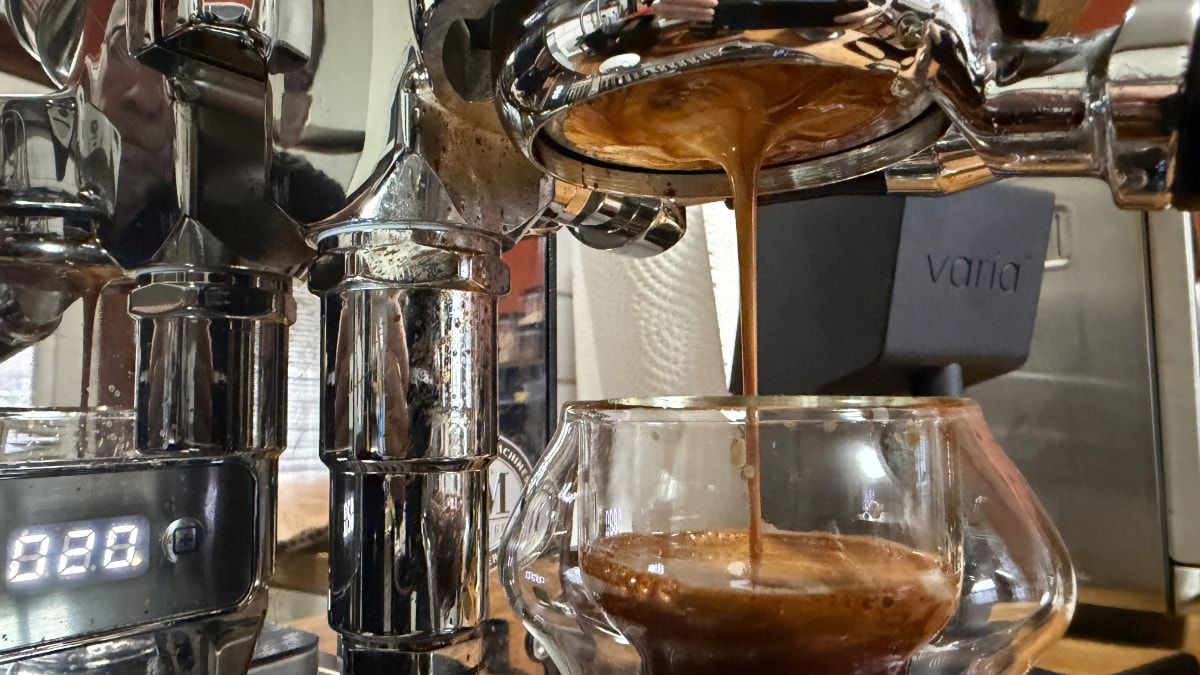
Then comes the time to admire the flow and the magic of extraction. The work is done. Time to taste!
Conclusion
As James Hoffmann so aptly put it, anyone who ventures into operating an espresso machine does so first and foremost because it's a hobby. If you're the type who wants to press a button and get your morning dose of coffee, forget about it. Buy other models that will do just fine and that will still cost you a fair bit if you're at all serious about taste.
A colleague who swears by Nespresso (so very expensive capsules in the end…) couldn't see the value in paying $2,000 (my case) or $4,000 (others) to drink coffee. To each their own hobbies and passions. End of story.
A hobby, then, because playing barista at home is an adventure in itself. It's not always a guarantee of a good cup of coffee. I can say, however, that most of the time it is. My neighbours who own a Breville Barista Express acknowledge this. My coffee is, all things considered, superior. You do have to enjoy this type of coffee, of course!
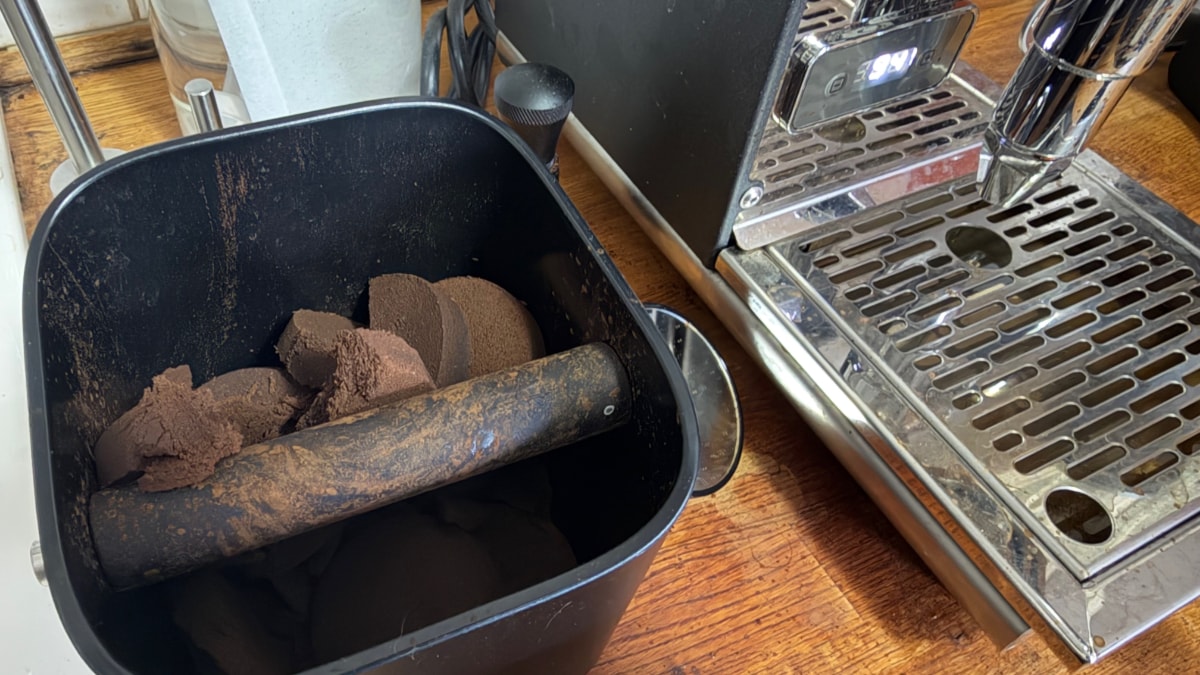
As we can see, making espresso requires a certain ritual and is more complicated than doing it with a semi- or fully automatic machine. Especially with the Puristika and a small entry-level grinder like the Varia VS3, it's a bit messy. There's ground coffee everywhere; you have to clean often.
Some will hate it, and it's something for them to think carefully about. Many are tempted to get beautiful machines that look great on the counter. But the work will be more or less the same as with the Puristika. It's espresso coffee, not a piece of cake!
If I had to do it over, perhaps I'd buy a larger model, but I'd probably invest more in a better grinder. The temptation remains strong to pay as much as the machine to get THE grinder that won't create static, that will weigh the coffee for you. Experts agree that investing in a good grinder is preferable to paying an insane price for an espresso machine. A small Chinese Gemilai could even do the job as long as you invest in a good grinder.
There really are no limits in the sparkling sky of coffee. Keep a cool head, know what you're getting into, and once your decision is made, enjoy!